

데일리스터디
The Fox and the Grapes 여우와 포도 / Aesop 이솝 본문
Once upon a time, a hungry fox was walking by a tall fence. On the other side of the fence, there were many bunches of beautiful, purple grapes hanging high up.

The fox really wanted to eat those grapes because it was very hungry. It jumped up high, trying to reach them, but the grapes were too far above its head.
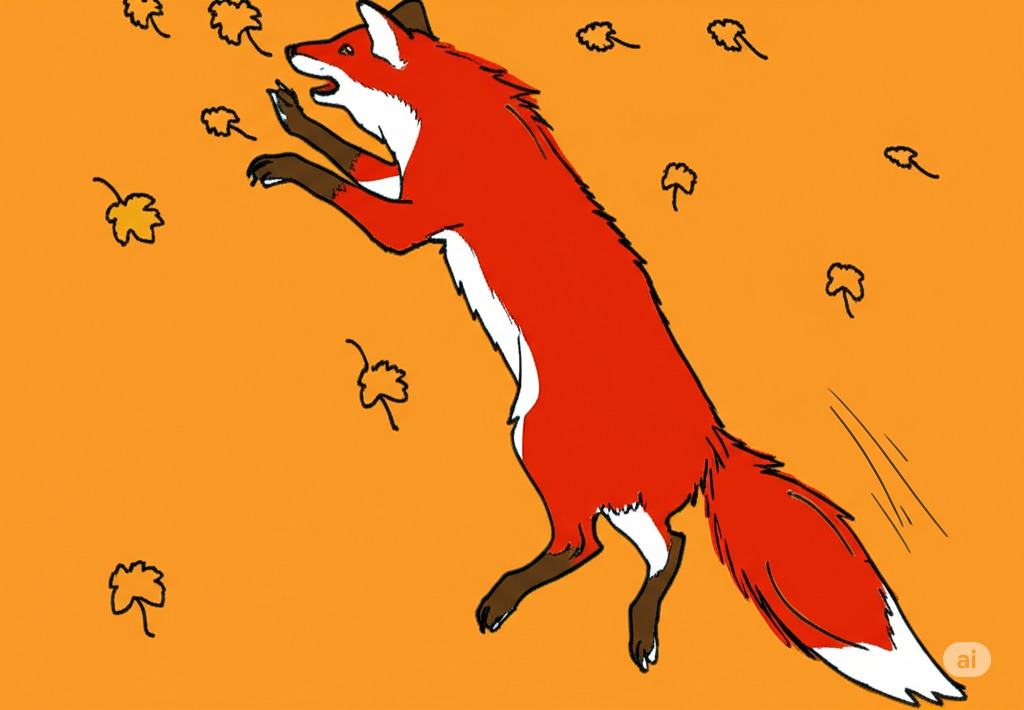
The fox tried again and again. It jumped and stretched, but no matter how hard it tried, it could not reach the grapes.

Finally, the fox got tired of trying. It walked away and said to itself, "Those grapes are probably sour anyway. I didn't really want them."

Moral of the story
Sometimes, when we cannot get something we want, we pretend that we didn't want it in the first place.
Talking About The Fox and the Grapes
Study Guide: "The Fox and the Grapes" by Aesop
Study Guide Questions
- Characters and Setting:
- Who is the main character in the story?
- Where does the story take place?
- The Conflict:
- What does the fox desire at the beginning of the story?
- What prevents the fox from getting what it wants?
- The Fox's Attempts:
- How does the fox try to reach the grapes?
- What is the outcome of its efforts?
- The Fox's Reaction and Rationalization:
- How does the fox react when it realizes it cannot get the grapes?
- What excuse does the fox give for not wanting the grapes anymore?
- The Moral of the Story:
- Summarize the stated moral of "The Fox and the Grapes" in your own words.
- How does the fox's behavior illustrate this moral?
- Themes and Interpretations:
- What does the story suggest about human nature when faced with unattainable desires?
- Can you think of a real-world example that illustrates the moral of this story?
- Author and Genre:
- Who is credited as the author of this fable?
- What characteristics make "The Fox and the Grapes" a fable?
- Publication Information:
- When was this specific content (the digital version) published?
- What tool was used to create the content, according to the source?
Quiz
Instructions: Answer each question in 2-3 sentences.
- Describe the initial situation of the fox when it encounters the grapes.
- What was the primary obstacle preventing the fox from reaching the grapes?
- How many attempts did the fox make to get the grapes, and what was the result?
- After failing, what specific reason did the fox give for no longer wanting the grapes?
- Explain the core message of the moral of "The Fox and the Grapes."
- In what way does the fox's final statement exemplify the story's moral?
- Who is the attributed author of this fable, and what genre does it belong to?
- Besides "The Fox and the Grapes," name two other fables by the same author mentioned in the source.
- According to the provided information, what technological tool was used to produce the content of this fable?
- Briefly describe the significance of the grapes' appearance and location in the story.
Quiz Answer Key
- The fox was hungry and walking by a tall fence when it spotted many bunches of beautiful, purple grapes hanging high up on the other side. Its hunger immediately made it desire these grapes.
- The primary obstacle was that the grapes were hanging too high up, far above the fox's head. Despite jumping and stretching, the fox simply could not reach them.
- The story states the fox tried "again and again," jumping and stretching. However, no matter how hard it tried, it consistently failed to reach the grapes.
- After failing, the fox declared that the grapes were "probably sour anyway." It then stated that it "didn't really want them" in the first place, rationalizing its inability to obtain them.
- The core message of the moral is that people sometimes pretend they didn't want something they couldn't get. It speaks to a defense mechanism where individuals devalue unattainable desires to cope with disappointment.
- The fox's final statement, "Those grapes are probably sour anyway. I didn't really want them," directly illustrates the moral. It shows the fox devaluing the grapes only after realizing they were out of reach.
- The attributed author of this fable is Aesop, and "The Fox and the Grapes" belongs to the genre of fables, which are short stories typically featuring animals and conveying a moral lesson.
- Two other fables by Aesop mentioned in the source are "The Lion and the Mouse" and "The Ant and the Grasshopper." Other examples include "The Boy Who Cried Wolf" and "The Tortoise and the Hare."
- According to the "N.B." section at the end of the story, the content of this fable was produced using "Google AI Studio." This indicates its modern digital creation.
- The grapes were described as "beautiful, purple" and "hanging high up," which initially made them very desirable to the hungry fox. Their high location then became the central challenge, leading to the fox's ultimate rationalization.
Essay Format Questions
- Analyze how the fox's journey from desire to disdain for the grapes reflects the human psychological phenomenon of cognitive dissonance or rationalization.
- Discuss the effectiveness of using animal characters in fables, like the fox, to convey complex moral lessons about human behavior. Provide examples from "The Fox and the Grapes" to support your points.
- Explore the enduring relevance of "The Fox and the Grapes" in contemporary society. How might its moral apply to modern situations involving aspirations, failures, and ego?
- Compare and contrast the moral of "The Fox and the Grapes" with another well-known fable by Aesop. What similarities or differences do their messages convey about human nature or life lessons?
- Consider the role of hunger and unfulfilled desire in driving the fox's actions and ultimate rationalization. How does the story use these basic needs to illustrate a more profound psychological truth?
Glossary of Key Terms
- Fable: A short story, typically with animals as characters, conveying a moral. "The Fox and the Grapes" is a classic example.
- Moral: The lesson or principle taught by a story, especially a fable. In "The Fox and the Grapes," it's about devaluing what one cannot attain.
- Aesop: The ancient Greek fabulist to whom a collection of fables is traditionally attributed. He is the credited author of "The Fox and the Grapes."
- Rationalization: The action of attempting to explain or justify behavior or an attitude with logical reasons, even if these are not true or appropriate. The fox's declaration that the grapes were sour is an example.
- Cognitive Dissonance: The mental discomfort experienced by a person who simultaneously holds two or more contradictory beliefs, ideas, or values. This can be resolved by changing one's beliefs, as the fox did.
- Unattainable Desire: Something that one wishes for but cannot achieve or acquire. The high-hanging grapes represent an unattainable desire for the fox.
- Dewar: The Fox and the Grapes (여우와 포도): The specific title of the fable analyzed, indicating its Korean title alongside the English.
- Google AI Studio: The specific tool mentioned as having been used to produce the content of the fable in its digital format, highlighting its modern origin.
( N.B. 위 콘텐츠는 Google AI Studio 로 제작하였습니다 )
'동화' 카테고리의 다른 글
| 동화? (0) | 2025.05.06 |
|---|---|
| The Lion and the Mouse 사자와 생쥐 / Aesop 이솝 (1) | 2025.05.05 |
| The Ant and the Grasshopper 개미와 베짱이 / Aesop 이솝 (0) | 2025.05.05 |
| The Boy Who Cried Wolf 늑대라고 외친 소년 / Aesop 이솝 (1) | 2025.05.04 |
| The Tortoise and the Hare 거북이와 토끼 / Aesop 이솝 (1) | 2025.05.04 |


